Showing posts with label Good Health. Show all posts

Sunday, May 07, 2017

Probiotics: Foods that Act as Medicine in our Body

Probiotics 

(There are actually 10 times more probiotics in our gut than cells in our body) 

Awareness on Probiotics continues to increase now-a-days, hence probiotic research and probiotic foods are fast growing topics these days. I am here providing a science-based reference about Probiotics. Then, what is Probiotics? The most broadly accepted definition in the scientific community is  “Probiotics are live microorganisms, that when administered in adequate amounts, confer a health benefit on the host.” That means Probiotics are bacterias, when administered into our digestive tract, they support our body’s ability to absorb nutrients and fight infection. On a daily basis, we are exposed to many foods, toxins and stresses which have a negative impact on our digestive health. In order to restore our digestive health, they must be addressed. If they’re not addressed, then our gut bacteria become imbalanced and our system can become a breeding ground for bad bacteria, yeast, viruses, fungi and parasites. The only way to maintain a healthy digestive health or to heal a infected gut, we must eliminate the foods that feed bad bacteria and to start consuming probiotic-rich foods and supplements. 

At which stage it develops in our body?


Probiotics or live microorganisms are found in our systems right from the moment that we stepped into the world. At the time of delivery, when a going to born baby is in the birth canal of its mother, it get exposed to the bacteria of its mother for the first time. This process starts a chain of process inside the GI tract of the new born, and the GI tract of the new born starts to produce good bacteria.

Benefits of Probiotics


Many of the microorganisms found in probiotic foods or supplements are similar to microorganisms that naturally live in our bodies. Probiotics contains a variety of microorganisms. The most common among them are bacteria that belong to groups called Lactobacillus and Bifidobacterium. Yeasts such as Saccharomyces boulardii may also be used as probiotics. When good bacteria prevails in our gut, they are responsible for: producing vitamin B-12, butyrate and vitamin K2, crowding out bad bacteria, yeast and fungi, creating enzymes that destroy harmful bacteria and stimulating secretion of IgA and regulatory T Cells.


Probiotic benefits have been proven effective in these following areas:

  • It helps in reducing the risk of certain acute common infectious diseases.
  • it helps in boosting immune system 
  • It helps in improving digestive function
  • It improve tolerance to lactose
  • It fights with food-borne illnesses
  • It heals inflammatory bowel conditions
  • It reduces diarrhea associated with antibiotic therapy
  • It prevents and treats urinary tract infections
  • It may also be of use in maintaining urogenital health. 
  • It reduces crying time in colicky babies
  • It manages and prevents eczema in children
  • It also helps in maintaining a flawless skin

Why it is needed?

Probiotics are needed in order to improve our gut flora balance. Most people in the world, including children, are in need of a probiotic boost due to the use of prescribed medication particularly antibiotics as well as high carbohydrate diets, the consumption of chlorinated and fluoridated water, and conventional foods such as non-organic meat and dairy that contain antibiotic residues. These chemicals kill off probiotics in our system. If this continues for a longer period of time, this will damage our digestive tract. So, it's my honest request, always make sure to avoid the probiotic killers. Examples of some probiotic killers are Antibiotics, Sugar, Tap Water, GMO Foods, Grains, Emotional Stress, Chemicals and medications.

Safety and Side Effects of Probiotics?

Bovine Sources
If anyone think that Probiotics are safe to use or not, then I must say it depends upon one’s state of health only. In one hand, Probiotics has a very good effect on people who are generally healthy. Side effects, if occur to them i.e. mild digestive symptoms like gas. On the other hand, probiotics leads to severe side effects in people who are suffering from serious medical problems i.e. surgical patients, very sick infants, and people who have weakened immune systems. Side effects of Probiotics can sometimes include diarrhea if we take too much and too fast. In order to get the positive effects, we can start off with a smaller amount like one yakult drink or one probiotics capsule per day. But overall, I experienced positive effects of probiotics and there is no side effects!

How Probiotics Work?

We must know that our gut contains both beneficial and harmful bacterias. According to the digestive experts, the balance of gut flora should be approximately 85% good bacteria and 15% bad bacteria. If the balance goes disturbed, a condition known as dysbiosis (Dysbiosis generally refers to a state of imbalance i.e. too much of a certain type of fungus, yeast or bacteria that is affecting our body in a negative way) will develop. By consuming certain types of probiotics foods and supplements only, we can help bring these ratios back into balance.

Food Sources

Non-diary sources
Yogurt: Yogurt is one of the most familiar sources of probiotics. It helps in flourishing "good" bacteria that keep a healthy balance in your gut. Yogurt can rank at the top of probiotics foods if it comes from raw grass-fed animals. I must say, one must keep in mind three things. (i) that it comes from goat’s, sheep milk or cows milk; (ii) that it is grass-fed; and (iii) that must be organic when it comes to buying yogurt.
Raw Cheese: Goat’s milk, sheep’s milk and cow’s milk cheeses are particularly high in probiotics, including thermophillus, bifudus, bulgaricus and acidophilus. Cheese also may act as a carrier for probiotics, which may boost our immune system. I must say, always buy raw and non-pasteurized cheese. certain strains in some fermented soft cheeses survive the journey through our stomach and intestines as all probiotics can not survive the journey. 
Buttermilk: Buttermilk is one of the easiest source to get probiotics into your diet. Buttermilk is the milk that's cultured with lactic acid bacteria, hence rich in probiotics. It is something we can say acidophilus milk i.e. milk that is fermented with bacteria. 
Sour Pickles: Naturally fermented kinds of pickle also used as probiotics. Natural means where vinegar isn't used in the pickling process. A sea salt and water solution feeds the growth of good bacteria, so sour pickles gives some digestive benefits. 

Probiotic Supplements

Probiotic Supplements
Probiotics also come in supplements in all forms that is capsule, tablet, powder, and liquid. They don't provide the extra nutrition alongwith the foods we eat generally, but they are convenient and easy in order to use & avail the benefits. One can take probiotic lozenges and gums which helps in maintaining our oral health. For example, it will reduce periodontal disease, throat infections and bad breath. 

Probiotics through the passing years

it is important to know that probiotics are not a new concept for mankind. Throughout history, different cultures have thrived on probiotics that are found in fermented and cultured foods. These fermented and cultured foods were invented for food preservation long before the invention of refrigerator. With the invention of refrigerator, we don’t have to culture or ferment our foods to keep them from spoiling. In this way, we lose out on those vital probiotics. So, I can say, invention of refrigerator could be one of the worst inventions for our digestive health.

What studies revealed?

  • Researchers at the University of Maryland School of Medicine (UM SOM) have found that Lactobacillus rhamnosus GG (LGG) can help with intestinal problems, respiratory infections and some skin disorders. 
  • According to a review of five controlled studies, published in the World Journal of Gastroenterology, Certain strains of B. lactis and L. casei improved stool consistency and frequency of bowel movements in people with constipation.
  • A study published in the British Journal of Nutrition, have found that certain probiotic strains boost measures of immune response, but whether this translates into any clinical benefits is uncertain. 
  • A study published in the Journal of Functional Foods found that people who consumed yogurt containing two “novel” strains of probiotics experienced small losses in body fat, but no changes in body weight.
  • Some studies also report that certain probiotics can play a role in reducing the development of allergy in children, decrease Helicobacter pylori colonization of the stomach and manage relapse of some inflammatory bowel conditions.

Text from the Blogger

It is normal if anyone is considering probiotics both from food sources or as a dietary supplement. But, if anyone have health problems, then he/she must consult his/her health care provider first. Pregnant women, nursing mothers and children first consult their health care provider before taking probiotics. In this respect, one has to tell any complementary or integrative health approaches he/she uses to his/her health care provider. That means he/she must give the health care provider a clear picture of what he/she does to manage his/her health that helps in ensuring coordinated and safe care.

Sunday, February 12, 2017

Water is Life itself: Know the Benefits of Drinking Water

Safe Drinking Water

(Water distributes oxygen all over our body, collects carbon dioxide from all these parts and also dissolves these gases)

In order to maintain our health overall good, we must drink water in adequate amount everyday. Water is the compound which aids in several systems in our body for example digestive system, circulatory system and even excretory system. If we recall our class V science text book, we may remember that, Water is a compound which is made up of two atoms of hydrogen and one atom of oxygen. Water makes up around 65% to 75% of our bodies weight. Even 82% of our blood, about 80% of our muscle and about 85% cartilage is water. Water seems boring to us that means no color, no taste and no smell but as we all know it has amazing properties that make it necessary for supporting life. In fact, water is also known as Life.

We all read in our childhood that cell is the basic unit of our body. Almost all cells in our body needs water to function properly and we have to meet the target by drinking Safe water. Most of the fluid needs by our body are met through the water and beverages we drink as well as through the foods that we eat.

How water helps us?

Benefits of Water
With adequate amount of drinking water, we get rid of wastes through urination, perspiration and bowel movements.  
  • Water helps in flushing out toxins from your body.
  • Drinking Water also Keep our body’s temperature normal.
  • Safe drinking water helps in protecting our spinal cord and other sensitive tissues.
  • Water also helps in giving lubrication to our joints.
  • Water reduces kidney stones by diluting the salts and minerals in urine. So it enhances kidney function.
  • As water helps in increasing satiety and boost our metabolic rate, it helps us to stay in shape. Plain water contains no calories, fat, carbohydrates or sugar.
  • Water helps our body in breaking down our foods properly.
  • Adequate amount of drinking water helps us staying in good mood and to overcome anxiety and fatigue hence water identified as a migraine trigger.  
  • Drinking sufficient water helps in fighting bad breath. 
  • Adequate drinking water gives us a radiant, healthy and younger- looking complexion.

Effects of dehydration

  • When we loose only 2% of our body’s water content, we can not perform better physically. 
  • Mild dehydration i.e. 3% of our body weight can create problem in several aspects of our brain function. It also impair our memory and swings our mood.
  • Due to dehydration, some people suffers from headaches and migraines.

How water functions in our body?

Water has several functions but I am describing here some important functions. 
  • Water helps our heart to pump out oxygenated blood in our bloodstream.
  • In our large intestine, water mixed with fiber to increase the bulk of the stools, reduce its transit time and make elimination easier. Thus Water helps our colon in hydrating the stools and making them softer and easier to pass.
  • A glass of water before meals can help in suppressing one’s appetite as when we drink water, it fills our stomach and reduces the tendency to eat more.
  • Water helps in increasing the fat burning rate in our body and promoting the breakdown and elimination of fat cells.
  • If our body is properly hydrated, then water helps us in capillary blood flow that leads to healthier and younger-looking skin.
  • Water keeps the cartilage around our joints supple and hydrated. Thus our joints get lubricated. 

More Water required for Pregnant Women

Who needs more water & in What circumstances?

  • Generally people living in hot climates need more water.
  • More physically active people also need more water. 
  • Water also reduces the stress that occurs during intense work outs due to oxidation. 
  • Any person when running with a fever, he/she needs more safe drinking water.
  • People who are undergoing with the condition of diarrhea or vomiting also need more water.
  • To reduce hangover that arises after alcohol consumption, one must drink a glass of water between the drinks.
  • Water is also required in excess amounts for pregnant women and nursing mothers.

For Children

We must practice to provide our children safe drinking water as a healthy alternative to sugar-sweetened beverages. Because water helps to increase a child’s overall water consumption and maintain its hydration. Proper hydration in a child’s body, improves its cognitive function. One can control calorie intake by refusing sugar-sweetened beverages to his/her child. Drinking water, if fluoridated plays a bonus role in preventing dental cavities in children.

My tips for getting enough water

  • We can begin our day by drinking a glass of water as soon as we wake up in stead of Tea or coffee.
  • If anyone is habituated towards tea or coffee then he/she must take green tea or black coffee. Green tea is zero in calorie and acts as a stimulant.
  • We can add a wedge of lemon to water as lemon makes water palatable. It also helps us in drinking more water than we usually do.
  • One can take more fluids and eat more fruits & vegetables like cucumber, watermelon, and strawberries that contain minerals, salts, and natural sugars along with water.

Recommendations

Water rich Foods
Drinking water requirement varies from people to people. It also depends on activity level, age, and how much water people are consuming in coffee, tea, or water-rich veggies and fruit. 
  • Must drink 8 to 10 glasses of water per day. 
  • Institute of Medicine has recommended about the adequate intake of total beverage per day i.e. about 3 liters for men and 2.2 liters for women.
  • Colour of our urine is a very good indicator of our level of hydration. The deeper yellowish color means the level of hydration is bad and vice versa.

What studies revealed?

  • A study published in the Journal of Nutrition conducted on twenty-five women revealed that being dehydrated can negatively impact one's mood and his/her cognitive function.
  • As per a study published in the European Journal of Neurology, researchers found that increasing water intake helped in reducing the total number of hours and intensity of headaches in studied participants.
  • According to a study conducted in University of East London found a link between students bringing water into an exam room and getting better grades, suggesting H2O promotes clearer thinking. 
  • A recent study found that participants who drink water before a meal, they lose weight faster than those who did not drink water. 
  • Some researches also found that the greater the water or fluid intake, the reduce the risk of bladder cancer, colon cancer and breast cancer.
  • According to the research conducted by the Linus Pauling Institute, individuals drinking adequate amounts of water have reduced risks of osteoporosis and hip fractures.

Sunday, January 08, 2017

Micro-Nutrients for Our Good Health

(Vitamins and Minerals are necessary for virtually all reactions to occur in our body)

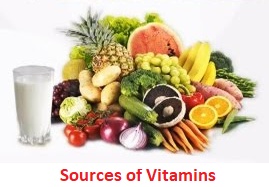
Micro-Nutrients are needed by our body in smaller quantities than Macro-nutrients. They are needed to ensure a healthy metabolism. They produce the essential enzymes, hormones and other substances essential for function, growth and development. Vitamins and minerals are micro-nutrients. They do not contain calories. Vitamins and Minerals must be taken in appropriate amount. As each vitamin or mineral has a recommended intake range, they should be consumed through diet first and if found under-consume then one can take help of supplementation.  Eating a balanced diet with as many wholefoods as possible is the best possible way to avail all the nutrients.

Vitamins vs Minerals

Vitamins and minerals are differ in basic ways. Vitamins are organic and can be broken down by heat, air and acid whereas Minerals are inorganic and hold on to their chemical structure. That’s why, the minerals in soil and water easily find their way into our body through the plants, fish, animals and fluids we consume. But it is tough to shuttle vitamins from food and other sources into our body because cooking, storage and simple exposure to air generally inactivate these more fragile organic compounds.

Vitamins:

Vitamin A, Vitamin B1 (Thiamine), Vitamin B2 (Riboflavin), Vitamin B3 (Niacin), Vitamin B5 (Pantothenic acid), Vitamin B6 (Pyriodoxine), Vitamin B7 (Biotin), Vitamin B9 (Folic Acid or folate), Vitamin B12, Vitamin C, Vitamin D, Vitamin E, Vitamin K.

Minerals:

Magnesium, Iron, Calcium and Phosphorous, Chromium, Copper, Fluoride, Iodine, Manganese, Chloride, Molybdenum, Selenium and Zinc.

Vitamins & their Types

Vitamins are scientifically classified into fat-soluble and water-soluble. Our body needs fat-soluble vitamins every day to work properly, but we don't have to eat foods containing them daily as our body stores these vitamins in our liver and fatty tissues for future use. Water-soluble vitamins are absorbed directly into the bloodstream as food is broken down during digestion or as a supplement dissolves.
  • Water-soluble vitamins are absorbed directly into the bloodstream as food is broken down during digestion or as a supplement dissolves.
  • Fat-soluble vitamins are Vitamin A, Vitamin D, Vitamin E and Vitamin K. 
  • Fatty foods and animal products, such as vegetable oils, milk and dairy foods, eggs, liver, oily fish and butter are generally rich in fat-soluble vitamins.
  • Many fat-soluble vitamins travel through our body only under escort by proteins that act as carriers.
  • If anybody has much more than he/she needs, then fat-soluble vitamins can be harmful.
  • Water-soluble vitamins are vitamin B and vitamin C group. 
  • Fruits, vegetables, potatoes, grains, milk and dairy foods are generally rich in water-soluble vitamins. They are found in the watery portions of the foods.
  • Water-soluble vitamins are not stored in our body, so we need to take them frequently. But If we take more than we need, then our body gets rid of the extra vitamins when we urinate.
  • As our body does not store water-soluble vitamins, they are generally not harmful. 
  • Water-soluble vitamins are generally destroyed by heat or when exposed to the air. They can also be lost in water at the time of cooking. 

How we Preserve Water-soluble vitamins in cooking?

The best available way to keep as many of the water-soluble vitamins as possible is to steam or grill our foods, rather than boil them. If food boiling is must then we must use the cooking water in soups or stews rather than pouring it away.

Minerals and their Requirement

Sources of Minerals
    Minerals are required by our body to perform many functions for example to build strong bones and teeth, to control body fluids inside and outside cells and to convert the food we eat into energy.
    • Meat, cereals, fish, milk and dairy foods, vegetables, fruit (especially dried fruit) and nuts are rich in minerals. 
    • Trace minerals are found in small amounts in a variety of foods such as meat, fish, cereals, milk and dairy foods, vegetables and nuts.
    • Calcium and iron are very major essential minerals for our body, but there are also many other types of minerals that are an important part of our diet.
    • Compounds like Iodine and fluoride must be taken in traces, as these are the essential nutrients that our body needs to work properly, but in much smaller amounts than vitamins and minerals.
    • Major minerals maintain proper water balance in our body. Sodium, chloride, and potassium are responsible in doing this. 
    • Three other major minerals i.e. calcium, phosphorus, and magnesium are responsible for healthy bones. 
    • Sulfur helps in stabilizing protein structures, including some of those that make up hair, skin, and nails.

    Deficiency of Micro-nutrients

    As tiny as the amounts are, however, the consequences of their deficiency are severe. In practice, vitamin and mineral deficiencies overlap and interact. Iodine, vitamin A and iron are most important in global public health terms; their lack represents a major threat to the health and development of populations the world over, particularly children and pregnant women in under-developed countries.
    • Iodine deficiency is estimated to have lowered the intellectual capacity.
    • Iron deficiency in the 6 to 24 month age group is impairing the mental development. Severe iron deficiency anaemia is also causing deaths.
    • Vitamin A deficiency is compromising the immune systems.
    • Folate deficiency is responsible for severe birth defects.

    Who could benefit from Supplements?

    People who don’t get enough micro-nutrients from food alone or are on low-calorie diets or have a poor appetite or avoid certain foods (such as vegetarians) might consider taking supplements. Health care providers might also recommend supplements to patients with certain medical problems.
    Dietary Supplements
    • Children aged 6 months to 5 years should take a supplement that contains vitamins A, C and D. This acts like a precaution because growing children may not get enough, especially those not eating a varied diet, such as picky eaters. 
    • People who are not going often outdoors or if they usually wear clothes that cover up most of their skin when outdoors should take daily vitamin D supplements.
    • Pregnant women should have a folic acid supplement up to week 12 of her pregnancy as it helps in preventing neural tube defects.
    • In postmenopausal period, calcium and vitamin D supplements may increase bone strength and reduce the risk of fractures in women.
    • People after 50 should get recommended amounts of vitamin B12 from fortified foods or dietary supplements because they might not absorb enough of the B12 that is naturally found in food.

    When it is Harmful?

    When we take vitamin and mineral in the form of supplements, we must be aware that taking too many or for too long can cause harmful effects to us.
    • If anyone try to cut down on his/her salt intake, he/she might avoid vitamin and mineral supplements that come as effervescent tablets/capsules, as they can contain up to 1 gm of salt per tablet/capsule. 
    • As fat-soluble vitamins are stored in our body for long periods, toxic levels can build up. This is most likely to happen if we take supplements.
    • When one have too much of one major mineral, he/she may found deficiency of another. These sorts of imbalances are usually occurred by overloads from supplements.
    • When we take too much sodium through table salt or processed foods, we may end up in losing needed calcium as our body rids itself of the surplus sodium and excreted when our body senses that sodium levels must be lowered.  
    • High-dose supplements of antioxidants may resulted into health risks in some cases. For example, high doses of beta-carotene may increase the risk of lung cancer in smokers. High doses of vitamin E may increase risks of prostate cancer and one type of stroke.

    Sunday, January 01, 2017

    Macro-Nutrients for Our Good Health

    (Macro-Nutrients : Carbohydrates, Protein, Fats, Fiber, Water, their functions & intake suggestions)

    Nutrients

    Nutrients are the constituents found in food and supplements we take. They must be supplied to our body in suitable amounts. If we recall our class VI education on general science then we find those nutrients as Carbohydrates, Fats, Proteins, Vitamins & Minerals and Water. These nutrients categorized into macro-nutrients and micro-nutrients. Macro-nutrients are those nutrients that our body needs in large amounts. They provide our body energy i.e. calories.

    Macro-nutrients

    1. Carbohydrates & Fiber
    2. Proteins
    3. Fats

    Carbohydrates

    Carbohydrate Rich Foods
    Carbohydrates are sugars or polymers of sugars such as starch. It can be hydrolyzed to simple sugars by the action of digestive enzymes or by heating with dilute acids. Carbohydrates can be classified as:
    • Monosaccharides or simple sugars (glucose, fructose); 
    • Disaccharides or double sugars (sucrose, lactose) and
    • Polysaccharides which include many molecules of simple sugars (starches, dextrins).
    Functions 
    1. One gram of carbohydrate provides us 4 kilocalories. 
    2. Carbohydrates are the major source of energy for muscular work. The main source of energy for the central nervous system is glucose. 
    3. Our body mainly uses carbohydrate as the source of energy, thus sparing the tissue protein breakdown for energy purpose known in the scientific language as “Protein Sparing Action of Carbohydrates”.
    4. In the liver, carbohydrates have special functions to perform. They include detoxifying action and a regulating influence on protein and fat metabolism.
    5. The heart muscle mainly uses glucose as a source of energy.
    6. Excess of calories is stored in the form of fat in the adipose tissue.
    7. Consumption of indigestible poly-saccharides or fibre prevents constipation and reduces the incidence of heart diseases, diabetes mellitus and colon cancer.
    Intake Suggestions
    • Always take mostly whole grains for good amount of carbohydrates along with Fibre.
    • Always choose low-fat dairy products or non-fat.
    • Always prefer to eat whole fruits than fruit juices.
    • People who have a Sedentary lifestyle take 40-50% of your total daily calories from carbohydrates.
    • People who do exercises regularly must take 60% of your total daily calories from carbohydrates.
    • Athletes or people involved in heavy training, don't forget to take 70% of your total daily calories from carbohydrates 
    • 3.5-4.5 grams of carbohydrate per pound of body weight is recommended for athletes.

    Proteins

    Protein Rich Foods
    Dietary protein performs all three functions of nutrients. It is needed for growth, maintenance, and repair of body tissues. That's why protein is called the building blocks of our body. It regulates key processes within the body and only excess protein can be used as a source of energy after conversion into carbohydrates and Fats.

    Functions
    1. One gram of protein provides 4 calories.
    2. Proteins are required for the growth and maintenance of tissues. 
    3. It is needed for the formation of essential body compounds.
    4. It makes enzymes that regulate metabolism
    5. It regulates water balance in the body. It helps in the transport of nutrients.
    6. It is required for the maintenance of appropriate pH. 
    7. It is also a source of energy. 
    8. It fights the body against diseases. 
    9. It also helps in detoxifying action.
    10. It invovles in acid/base balance to maintain a neutral environment in our bodies
    Intake Suggestions
    • One can take Legumes (beans), Lentils, Soy products, Peanuts and nuts, Whole grains (quinoa, oats, brown rice), Seeds, Meat alternative products, Some vegetables and Animal sources fish, egg, meat etc for good amount of protein
    • People who have a Sedentary lifestyle take 0.36 grams of protein per pound of body weight.
    • People who are active recreationally should take 0.45-0.68 grams of protein per pound of body weight.
    • Competitive Athletes must take 0.54-0.82 grams of protein per pound of body weight
    • Teenage Athletes must take 0.82-0.91 grams of protein per pound of body weight
    • Body Builders need 0.64-0.91 grams of protein per pound of body weight
    • People who want to loose fat or weight should take 0364-0.91 grams of protein per pound of body weight
    • 0.91 grams of protein per pound of body weight is the maximum amount of protein our body can utilize.

    Fats

    Healthy Fat Rich Foods
    Fats are a concentrated source of energy. The term fat or lipid denotes to a group of naturally occurring substances. They are characterized by their insolubility in water. The lipids present in the diet of animal and human body includes:
    • Triglycerides;
    • Phospholipids and 
    • Cholesterol.
    Functions 
    1. One gram of fat provides us 9 calories.
    2. Fat is essential in our body for the absorption of fat soluble vitamins like vitamin A, D, E and K.
    3. Fats improve the palatability of any food and gives a satiety value i.e. feeling of fullness in the stomach to us.
    4. Fats are deposited in our adipose tissue whether they are natural or converted from carbohydrates & proteins and thus serve as a reserve source of energy during starvation and illness.
    5. They protect our vital organs in the body by forming a lining on top.
    6. They act as insulators against heat and cold and protect us.
    7. They are the essential constituent of the membrane of every cell (the basic structure of our body).
    8. Phospholipids are present in the plasma in combination with proteins as lipoproteins  are involved in the transport of fat and cholesterol. 
    9. Phospholipids are present in large amounts in the nervous system and essential for its function.
    10. Cholesterol serves as a precursor for the formation of bile acids.
    Intake Suggestions
    • one can take Oils, Nuts, Seeds, Meat, fish and dairy products in order to get the required amount of fat.
    • 20-35% of our total daily calories should come from total fats and less than 10% of total daily calories should come from Saturated Fat.

    Fiber

    Fiber Rich Foods
    Fiber, a kind of carbohydrate that our body can’t digest. Children and adults need at least 20 to 30 grams of fiber per day in order to maintain a good health.

    Function

    1. It helps in regulating our body’s use of sugars, helping to keep hunger and blood sugar in check. 
    Intake Suggestion
    • Always eat whole grain foods, fresh fruits and vegetables, legumes, and nuts in order to get good amount of fiber. 

    Water

    Drinking Water
    Our body is composed of about 60% water. Fluid losses occur continuously, from skin evaporation, breathing, urine, and stool, and these losses must be replaced daily for good health. in order to maintain fluid balance, we must take water as a nutrient that present in plain water, other liquids and foods. 

    Functions
    1. It moistens tissues such as those in the mouth, eyes, and nose
    2. It protects body organs and tissues
    3. It helps in preventing constipation
    4. It helps in dissolving minerals and other nutrients to make them accessible to our body.
    5. It regulates body temperature
    6. It lubricates our joints
    7. It gives less burden on our kidneys and liver by flushing out waste products
    8. It carries nutrients and oxygen to cells
    Intake Suggestions
    • Eight to twelve glasses of water are recommended per day depending upon the season.
    • After waking up take two glasses of water in order to activate internal organs.
    • Taking two glasses of water before any meal helps us in digesting food.
    • Take one glass of water before bath to lower blood pressure.
    • Take one glass of water before bed in order to check stroke and heart attack.